Research
The Tang Lab seeks to understand life and intelligence through computation. We use AI to connect biological measurements across scales—from molecules and cells to neural dynamics and behavior—and to turn multimodal data into testable hypotheses and in silico experiments. We also study how learning systems—from brains to artificial neural networks—are organized, and how principles of neural computation can inspire new algorithms.
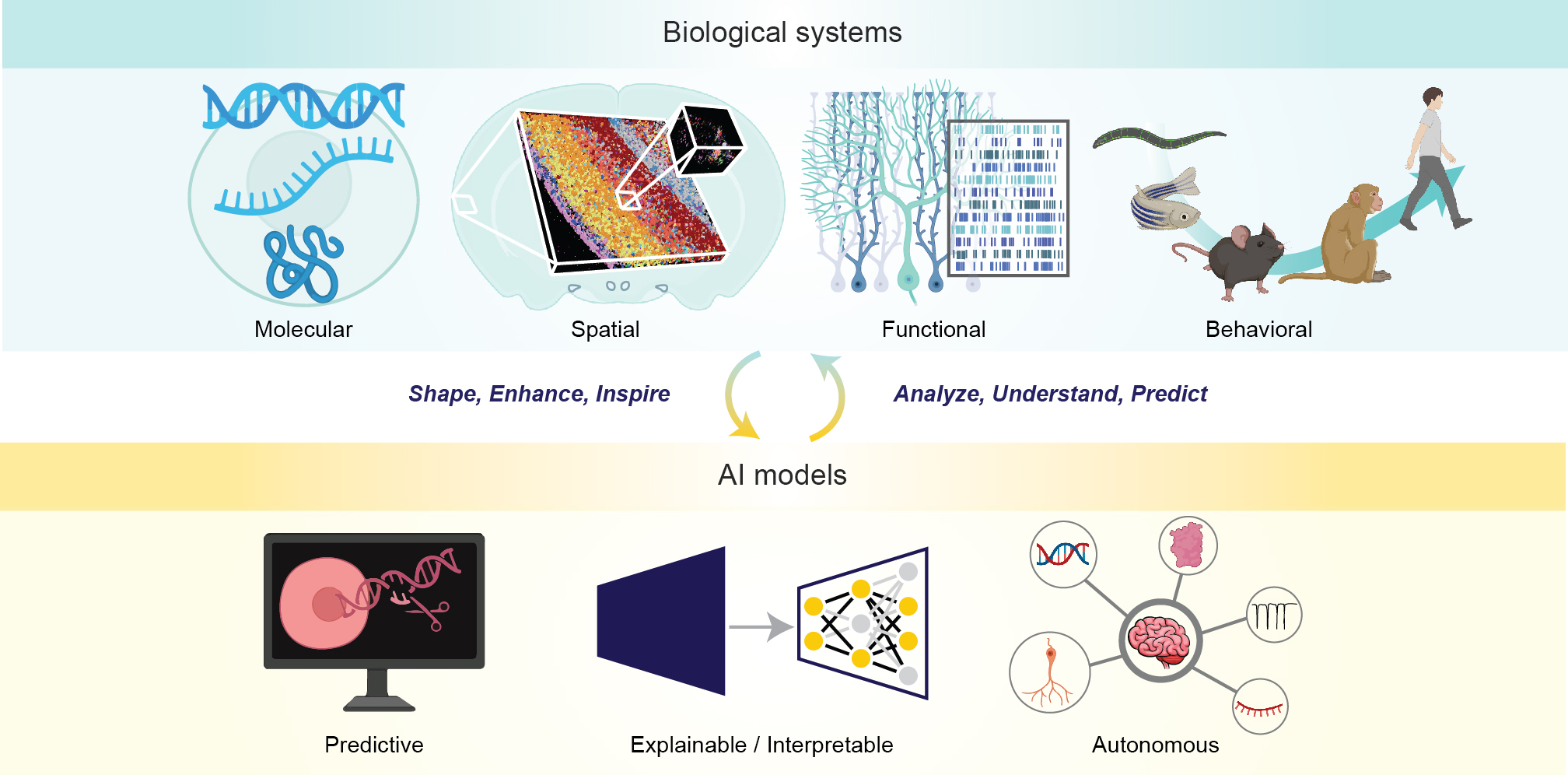
We aim to bridge large-scale and limited-scale cellular measurements with the underlying mechanisms that govern biological function. Our research centers on generic and powerful AI methods for biology and medicine. Briefly, our major research questions include:
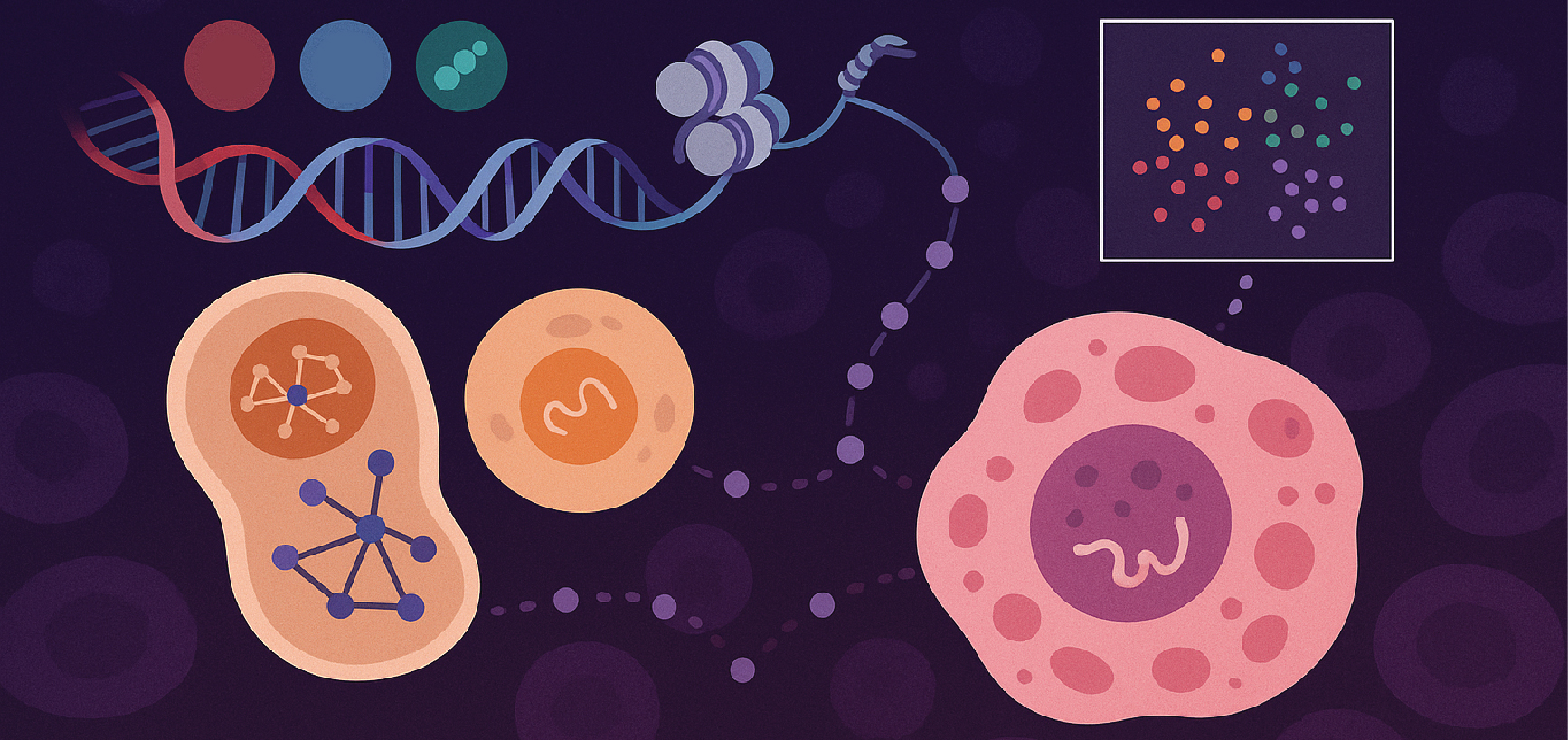
Decoding Cancer with AI
At the molecular level, how do genomic and epigenomic alterations reorganize chromatin architecture and rewire gene-regulatory networks? Moreover, how are these intracellular perturbations conveyed through intercellular communication to promote the spatiotemporal progression of tumor growth?

Decoding Brain with AI
At the functional level, how can we establish correlations between specific genes, specific cells—especially neurons and neuronal ensembles that exhibit unique electrical dynamics—and diverse animal behaviors and brain disease?

Decoding Aging with AI
Across the lifespan and at system level, how do genetic, epigenetic, proteostatic, and metabolic trajectories—shaped by niche, immune, and environmental cues—drive cellular and tissue aging? Which circuits are causal, reversible, and targetable, and how can AI disentangle age, disease, and environment to predict resilience and response to interventions, and prioritize rejuvenation interventions?
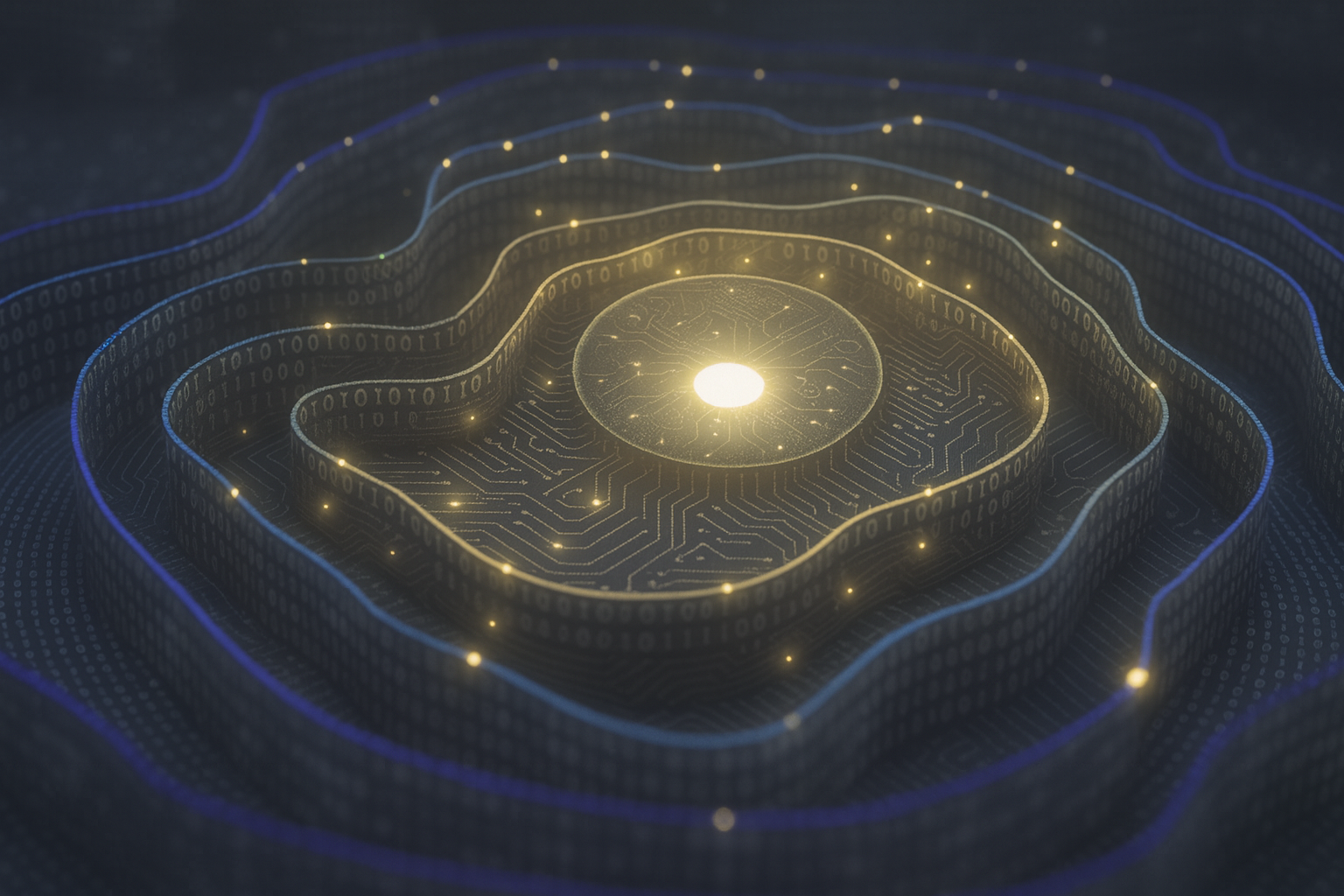
Building Virtual Cells
On a silicon chip, how can we develop autonomous, data-driven AI approaches to bridge the gap between large-scale/small-scale cellular measurements and the contextualized mechanism of cellular and system behavior? And how can we design approaches to help the broader biologists in its easiest way?
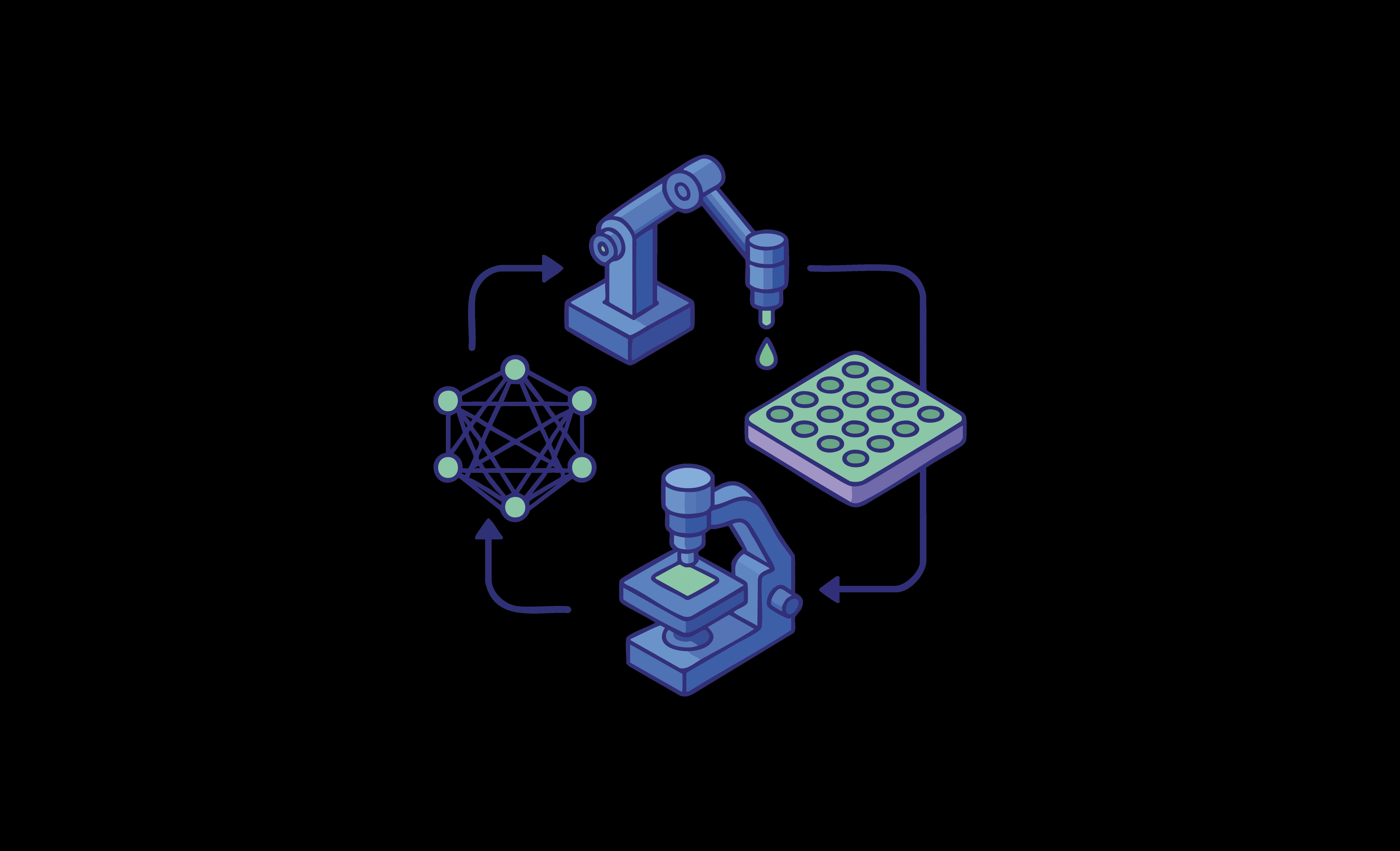
Building Self-driving Lab
At the bench, how can we create a self-driving experimental platform that connects robots, instruments, and AI to design, execute, and learn from experiments in a closed loop? How do we translate hypotheses from our virtual cells into executable protocols, rapidly iterate with active learning, and make the entire system accessible and safe for biologists through robust interfaces, reproducibility, and traceability?
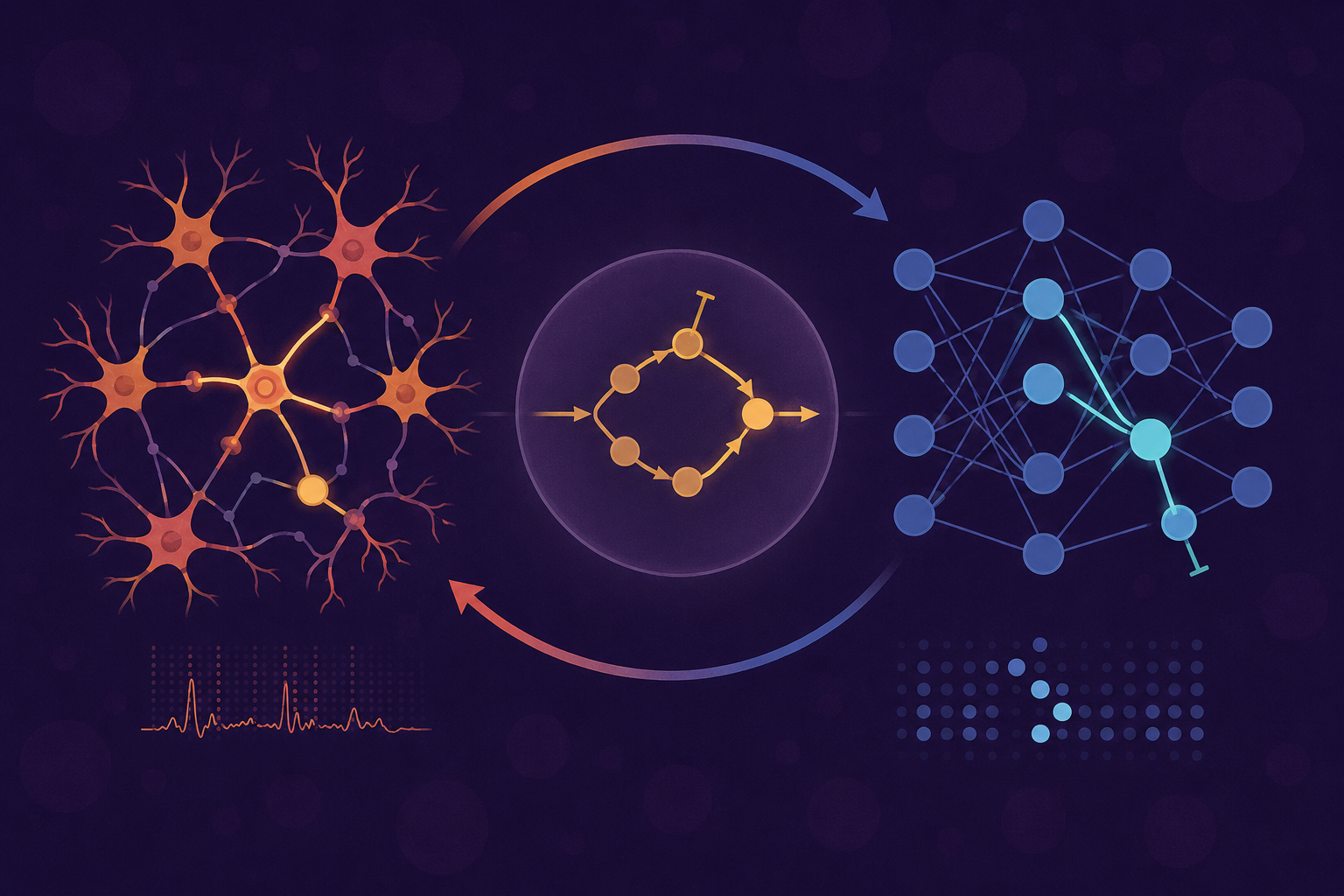
Building a Biology of AI
AI models have become complex enough to demand a science of their own. How do representations and circuits emerge through learning, and how do they give rise to behavior? How do brains and artificial neural networks form representations and learn from experience? What principles of biological intelligence can guide the design of new learning systems?
Funding Support
We acknowledge the generous funding support from UBC Michael Smith Laboratories and Department of Computer Science, UBC AI and Health Network, The Digital Research Alliance of Canada, Canada Research Chairs, GenomeBC, The Natural Sciences and Engineering Research Council of Canada (NSERC) Discovery Program, The Canadian Institutes of Health Research (CIHR) Project Grant, Canada Foundation for Innovation, and BC Knowledge Development Fund.